
The gambling landscape, including developments across the Canada casino online market, has transformed dramatically in recent years, with provinces gaining unprecedented control over gaming operations and the 2021 legalization of single-event sports betting reshaping the industry. Public opinion on these changes remains sharply divided, with consumer advocates and addiction experts raising concerns about increased gambling advertising while others support expanded access to regulated gaming options. This split has directly influenced how policymakers approach casino regulations, creating a complex relationship between what Canadians think and how gambling laws evolve.
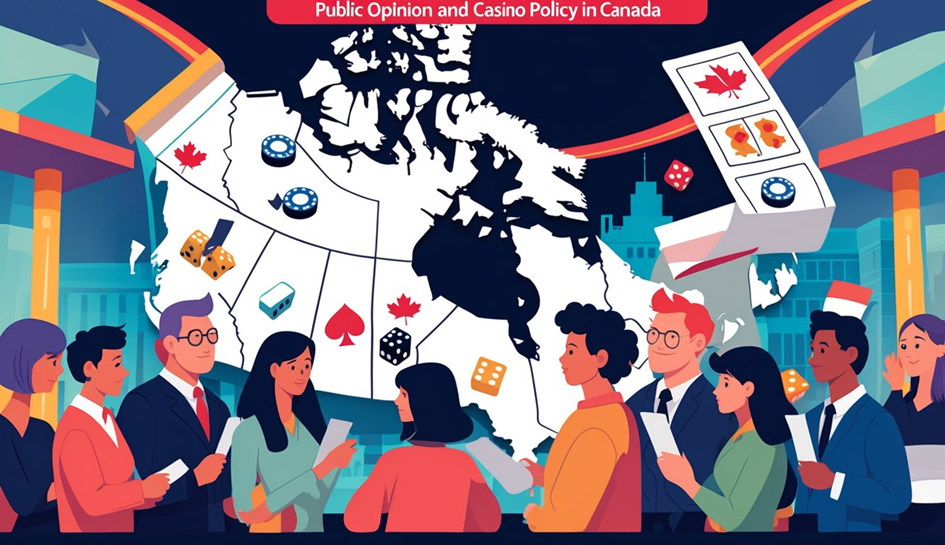
Your province’s approach to gambling likely differs significantly from others across Canada. Since amendments to the Criminal Code in 1969 granted provinces authority over gaming activities, each region has developed its own regulatory framework. Ontario’s 2022 integration of previously unregulated operators into a legal market exemplifies how public pressure and policy priorities shape gambling availability in your area.
Understanding how public sentiment influences casino policy helps you grasp why gambling regulations vary so widely across Canada and what future changes might look like. The ongoing debate between market growth and consumer protection continues to define the Canadian gaming industry’s direction, affecting everything from the advertisements you see to the responsible gambling measures operators must implement.
Evolution of Casino Policies and Provincial Regulation
Canada’s gambling regulation operates under a decentralized model where provinces hold authority over gambling activities within their borders. Section 207 of the Criminal Code grants provinces the power to conduct and manage lotteries, casinos, and online gambling platforms. This structure has created varied approaches across the country.
Ontario implemented a particularly transformative regulatory framework in April 2022 through iGaming Ontario, overseen by the Alcohol and Gaming Commission of Ontario. This system brought previously unregulated operators into a legal market, creating a controlled environment for online casinos, online poker, and sports betting. British Columbia and Quebec developed their own provincial online gambling sites earlier, establishing government-operated platforms to maintain oversight.
The provincial model allows jurisdictions to tailor regulations to local needs and public sentiment. However, this creates inconsistencies in consumer protection standards, advertising restrictions, and responsible gambling requirements across provincial boundaries.
Impact of Legalized Online Gambling and Sports Betting
The passage of Bill C-218 in June 2021 legalized single-event sports betting, replacing the previous requirement for parlay bets on multiple events. This legislative change unleashed rapid market expansion, particularly in Ontario, where single-game betting attracted numerous operators and generated substantial gaming revenue.
Public opinion on this expansion remains divided. The proliferation of gambling advertising following legalization sparked concern among consumer advocates, addiction specialists, and the Centre for Addiction and Mental Health. Media coverage highlighted the surge in promotional content across television, online platforms, and sports broadcasts.
Research indicates that increased gambling availability correlates with elevated risks of harm. The types of gambling activities now widely promoted—particularly online casinos and sports betting—present greater addiction potential than traditional lottery products. This reality has prompted calls for stricter advertising controls and enhanced harm prevention strategies.
Problem Gambling and Responsible Play Initiatives
Public health concerns about problem gambling have intensified as gambling activities become more accessible. Gambling research in Canada documents prevalence rates and identifies which demographics face elevated risks, informing prevention and treatment priorities. The rapid expansion of online gambling and sports betting has outpaced the development of adequate safeguards.
Provinces have implemented various responsible gambling measures, including self-exclusion programs, deposit limits, and mandatory messaging about risks. Ontario’s regulated market requires operators to allocate resources toward responsible gambling programming. However, addiction experts argue that current initiatives remain insufficient given the scale and intensity of gambling advertising.
The tension between revenue generation and harm minimization defines ongoing policy debates. Gaming revenue supports provincial budgets, creating financial incentives that can conflict with public health objectives.
Role of Public Opinion Research in Shaping Casino Policy
Public opinion research plays a critical function in informing gambling regulation decisions. Studies examining Canadian attitudes reveal mixed views on gambling expansion, with support varying based on demographic factors, personal gambling participation, and awareness of problem gambling impacts.
Provincial governments increasingly recognize the need for population-based harm prevention approaches rather than focusing solely on individual responsibility. This shift reflects mounting evidence about gambling’s public health implications and calls from health communities for more comprehensive protective measures.
Your province’s approach to gambling policy will likely continue evolving as research provides better understanding of gambling advertising effects, the relationship between availability and harm, and effective regulatory strategies from other jurisdictions. The balance between consumer choice, economic benefits, and public health protection remains a defining challenge in Canadian gambling policy development.