
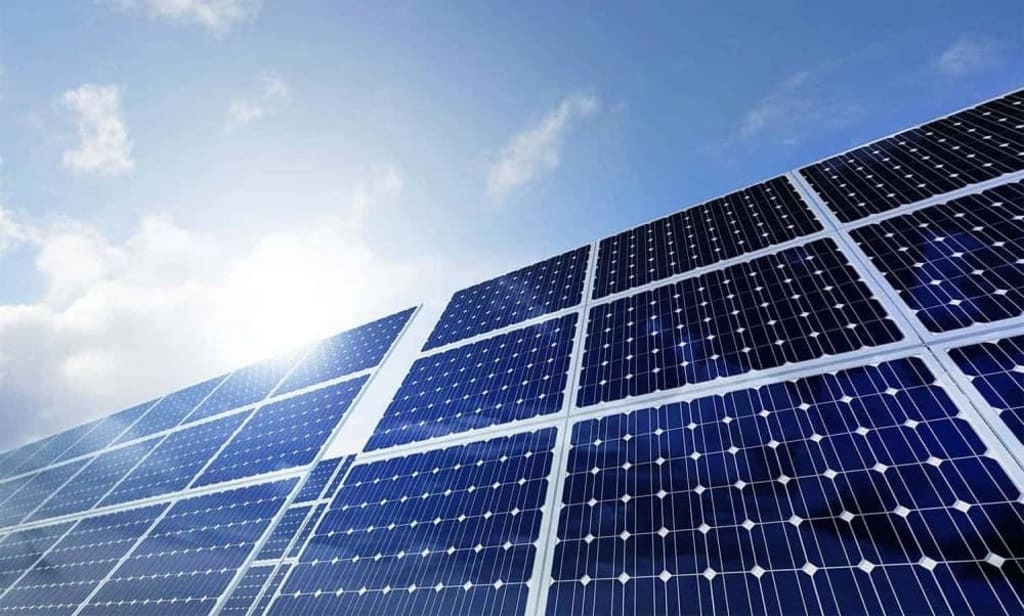
Many customers, when encountering problems for the first time, find that the actual power output of their monocrystalline solar panels does not match the power listed on the nameplate. This concern is common and understandable. The rated power of a monocrystalline solar panel is measured under Standard Test Conditions (STC), which include a solar irradiance of 1000 W/m², a cell temperature of 25°C (77°F), and an air mass of 1.5. These conditions are idealized and rarely occur in actual installations.
In real-world operation, monocrystalline solar panels face issues such as fluctuating sunlight, elevated temperatures, and environmental losses. Even high-efficiency panels will have lower power output during most of their operating time. This is not a defect, but rather a difference between laboratory benchmark testing and real-world application conditions.
Monocrystalline solar panel Temperature Effects: The Hidden Power Loss
Temperature is one of the most underestimated factors affecting the power output of monocrystalline solar panels. While these panels perform better in hot climates than many other alternative materials, they are still affected by a negative temperature coefficient. When the panel temperature exceeds 25°C, the voltage drops, thus reducing the total power output.
On a sunny summer day, the surface temperature of monocrystalline solar panels can exceed 60°C (140°F). In such cases, power losses of 10% to 20% are not uncommon. Poor ventilation, insufficient airflow in rooftop installations, or the use of dark roofing materials can further exacerbate heat buildup. To mitigate this problem, proper system design is crucial. Sufficient panel spacing, elevated mounting structures, and high-quality inverters with efficient Maximum Power Point Tracking (MPPT) capabilities all help reduce temperature-related losses.
Monocrystalline Solar Panel Installation Issues: Orientation, Tilt, and Shading
Even high-quality monocrystalline solar panels cannot compensate for improper installation. The orientation and tilt angle of the panels directly affect the amount of sunlight that reaches the cells throughout the day. If the panels are not aligned with the sun’s trajectory, their power output efficiency will be reduced, especially during peak hours.
Shading is another major factor contributing to reduced power output. Partial shading from trees, chimneys, nearby buildings, or even accumulated debris can disproportionately affect monocrystalline solar panels. Because the cells are wired in series, even shading a small portion of the panel can significantly reduce the array’s output power. Modern system designs often employ optimizers or microinverters to minimize shading losses. However, the most effective solution remains a careful site assessment before installation.
Performance Degradation and Aging Factors
All solar modules experience gradual performance degradation, and monocrystalline solar panels are no exception. Typical degradation rates range from 0.3% to 0.6% per year, depending on manufacturing quality and environmental exposure. After five to ten years, the total output power may be significantly lower than when the system was initially installed.
In addition to natural aging, accelerated performance degradation can result from UV exposure, moisture ingress, thermal cycling, or microcracks caused by improper handling during transportation or installation. These issues may not be immediately apparent, but they will reduce conductivity over time. High-quality monocrystalline solar panels utilize robust encapsulation materials and tempered glass to minimize these risks.
Electrical Losses: Inverters, Wiring, and Connections
When evaluating low output power, other factors besides the monocrystalline solar panels themselves must be considered. Electrical losses within the system are often a major contributor to performance degradation. These losses can stem from undersized wiring, excessively long cables, poor connections, or aging connectors.
The inverter plays a crucial role. If the inverter is not operating within its optimal voltage range, power degradation may occur, or it may fail to track the true maximum power point. At PowerDream, we frequently encounter systems where the solar panels themselves are capable of higher output, but the inverter configuration limits their performance. Ensuring compatibility between the monocrystalline solar panels and the inverter specifications is critical for maximizing available power.
Dirt, Dust, and Weather
Environmental factors can silently and continuously reduce the power output of monocrystalline solar panels. Dust, pollen, bird droppings, and air pollution can accumulate on the panel surface, blocking sunlight. In dry or industrial areas, dirt accumulation can lead to a 5% to 15% loss in power generation if solar panels are not cleaned regularly.
Weather patterns also play a role. Prolonged cloud cover, smog, high humidity, or seasonal changes in the sun’s angle can all affect daily and annual energy production. Comparing summer peak production to winter production without considering these variables often leads to unrealistic expectations. Regular cleaning, especially in dusty environments, can quickly restore system performance. In many cases, customers are pleasantly surprised by the significant performance improvement after basic maintenance.
Measuring the Right Performance Metrics
Finally, many performance issues stem from how output power is measured and interpreted. Monocrystalline solar panels should be evaluated based on total energy generated over time, not on instantaneous peak power. Short-term readings can be misleading due to cloud cover, inverter response time, or temperature fluctuations. Advanced monitoring systems can help users track trends, compare seasonal performance, and identify abnormal drops. When analyzed correctly, most systems will achieve close to their expected annual production – even if instantaneous output appears low at certain times.