
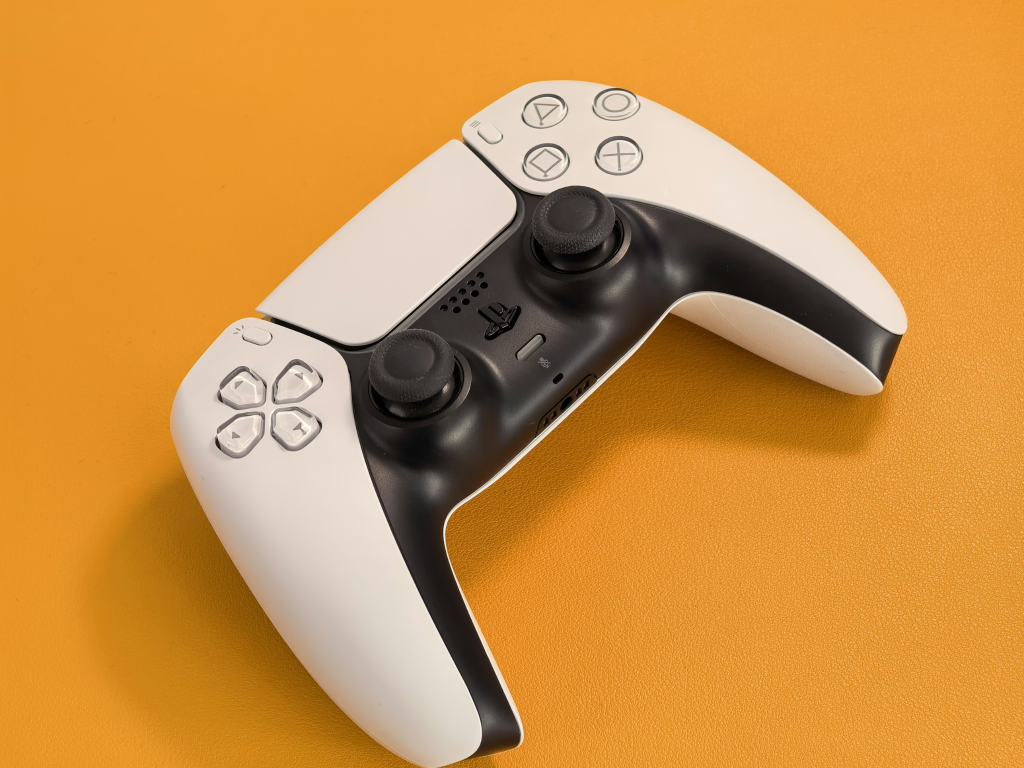
For a long time, gaming was divided by hardware in a way that felt strangely normal. One player used a console, another stayed on PC, someone else preferred handheld systems, and suddenly the same game existed in several separate worlds at once. That old model made sense for the industry for years, but it now feels increasingly outdated. Cross-platform gaming is becoming the new standard because players care less about device loyalty and more about access, flexibility, and staying connected.
That change is easy to spot across the wider digital space, where communities move between streams, chats, updates, and platforms such as x3bet while expecting entertainment to follow them across more than one screen. Games are now part of that same expectation. A player no longer wants progress trapped on one machine or friend groups split apart by hardware choice. The idea of one game living in separate closed rooms is starting to look less like tradition and more like inconvenience.
Players Care More About Connection Than Hardware
One of the clearest reasons for this shift is simple. People want to play together without turning device choice into a problem. For years, cross-platform support felt like a bonus feature. Now it feels closer to common sense. If two people own the same game, many players expect those two people to be able to meet inside it, regardless of what screen is sitting in the room.
That expectation matters because gaming has become more social. A title is no longer only a product to finish and forget. It is often a place to meet, compete, talk, and return to over time. Once gaming becomes part of social routine, barriers between platforms start feeling especially annoying.
This is why cross-platform support is getting harder to ignore. It removes one of the dumbest obstacles in modern entertainment: people wanting to play the same thing and being blocked by different plastic boxes under different televisions.
Cross-Platform Play Makes Communities Stronger
A game lives longer when its community stays together. Splitting the audience across several platforms weakens that community almost immediately. Matchmaking pools become smaller, friend groups get separated, and online modes start losing energy faster than they should.
Cross-platform systems help fix that. More players in one shared environment usually means shorter queue times, healthier matchmaking, and a stronger sense that the game still matters. That is especially important for multiplayer titles, live-service games, sports games, shooters, and co-op projects that depend on active populations to stay enjoyable.
Why Cross-Platform Support Feels More Important Now
Several factors pushed this feature closer to the center of player expectations:
- Friend groups use different devices, so closed systems feel frustrating
- Larger player pools improve matchmaking and online stability
- Longer game life keeps communities active for more time
- More flexible buying choices reduce pressure around hardware decisions
- Shared updates and events feel stronger when the whole audience joins together
None of these points sounds very glamorous, and that is exactly why they matter. The best gaming features are often the ones that remove boring problems before they ruin the fun.
The Industry Learned That Closed Ecosystems Feel Older
There was a time when platform separation helped define gaming identity. Exclusive communities, exclusive ecosystems, exclusive loyalty. That strategy still exists in some corners, but it is weaker than before because modern players move across devices much more naturally.
A person may play on a console at home, watch streams on a phone, chat through another app, and check progress from a laptop later. Digital life no longer stays in one neat box, and games are being pushed to adapt to that reality. Cross-platform systems fit this behavior better because they reflect the way people already use technology.
This does not mean hardware became irrelevant. Devices still matter. Performance still matters too. But the wall between them looks less acceptable now because the rest of digital life already taught users to expect smoother movement between systems.
Progress Matters Almost As Much As Play
Cross-platform gaming is not only about multiplayer access. It is also about continuity. Players increasingly want saves, purchases, progression, and accounts to move more easily across devices. That expectation grows naturally once gaming becomes more tied to personal libraries and long-term profiles instead of one-time purchases.
A game that remembers progress across systems feels modern. A game that forces everything to restart because the device changed feels old very quickly. This is one reason cross-platform systems are becoming more standard. They match the broader shift toward access over location and continuity over hardware boundaries.
Where Cross-Platform Design Changes Gaming Most
Its strongest effect usually appears in a few key areas:
- Social play because friends can stay in the same game world
- Matchmaking health through wider and more active player pools
- Player retention since communities stay larger for longer
- Account continuity when progress moves across devices more easily
- Buying freedom because players feel less trapped by platform choice
That mix makes cross-platform design feel less like a luxury and more like the direction the whole industry is heading.
The New Standard Is Really About Fewer Walls
Cross-platform games are becoming the new standard because modern players expect entertainment to be more connected, more flexible, and less restricted by hardware borders. The old model divided communities too easily and made ordinary social play harder than it needed to be.
The shift is not really about technology alone. It is about attitude. Players no longer want gaming worlds built like separate islands. They want shared spaces that work across the devices already sitting in real life. Once that expectation takes hold, cross-platform support stops looking special. It starts looking overdue.